What New Zealand employers should check before a lone worker shift
Lone work can be routine for one person and high risk for another. The difference often sits in the details: where the person goes, what can go wrong, how quickly help can reach them, and whether the device they carry still works when it matters. A risk assessment keeps those details visible before the shift starts rather than after an incident.
For New Zealand workplaces, the practical aim is to match the work environment with a workable response plan. A wearable lone worker alarm may be part of that plan when someone works away from colleagues, but it should not replace good scheduling, training, supervision and clear escalation. The questions below help employers look at the whole setup without getting lost in product features.
Start with the work, not the device
Begin by mapping the actual job. A person walking between buildings on a quiet site faces different risks from someone visiting homes, working in a remote yard or staying late in a standalone office. Look at the places involved, the tasks performed, the hours worked and the level of contact the person has with others.
Pay attention to changes in routine. A normal daytime visit can become a lone worker task when colleagues finish early. A site that feels familiar can become risky during bad weather, maintenance work or an after-hours callout. The assessment should capture those variations so the controls still fit the day on which they are needed.
Ask what could cause the worker to stop, fall, become unwell, feel threatened or lose contact. Then ask what the worker could do in each case. If the answer depends on a phone having signal, a colleague happening to check in, or the person being able to reach a safe place, the plan is probably thin.

Check the places where help must arrive
Location information is useful only when it is accurate enough to support a response. Think about how a nominated contact would understand an alert at short notice. A pin on a map is helpful when it identifies the right entrance, building, floor, track or vehicle. It is less useful when it points to a road beside the site or a previous position.
Indoor areas, basements, dense buildings and remote locations can affect location accuracy. GPS location may be less precise in some settings, so the assessment should include ordinary human details as well: the address, site description, access notes, meeting point and any hazard information a responder would need. Clear site labels can be as valuable as a technical fix.
Where workers move between locations, check whether the alarm and its location reporting continue to function during travel. A plan that works at the depot but not on the road leaves a gap. The same applies to shifts that start in one place and finish in another, or to work carried out near boundaries where coverage may vary.
Look closely at how alerts are handled
An SOS button is only one part of the picture. The assessment needs to show what happens after an alert is raised. Who receives it? Are they available at that hour? Do they know what to do first? Can they contact emergency services if needed? If the first contact misses the alert, is there a backup?
Two way voice can help a nominated contact learn what is happening without forcing the worker to make a separate call. That matters when the worker is stressed, injured or trying to stay calm. The response plan should still allow for the times when voice contact is not possible. A worker may be unable to speak, may have lost their phone, or may be in a place where speaking is not safe.
Man down and fall detection alerts can add another layer when a worker stops moving normally or suffers a fall. They should be matched to the type of work. A feature that suits a worker who is mostly stationary may behave differently for someone climbing ladders, carrying equipment or moving through uneven ground. Any limitations should be written into the assessment in plain language so supervisors do not assume the device catches everything.
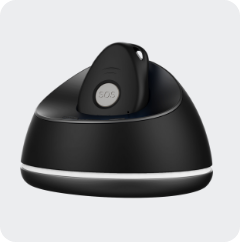
Check device use in ordinary working conditions
Worker devices with GPS location should be practical for the person wearing them. If a device is awkward to carry, easy to leave in a vehicle or confusing during an emergency, the control weakens. Check whether it can be worn in a way that suits the job and whether the worker knows how to raise an alert without searching through menus.
Battery life, charging habits and signal conditions deserve attention too. A device that is not charged at the start of a long shift is no protection. A simple rule, such as charging before assigned shifts and checking status at handover, is easier to follow than a vague expectation that someone will sort it out.
Worker devices with GPS location also need to fit the communication chain. The nominated contact should know which alerts to expect, how to distinguish an urgent alert from a routine check-in and when to escalate. If several workers are covered at once, the process should make it clear whose alert is being handled and who is covering the others.
Write the points down where they can be used
A risk assessment is not useful if it sits in a folder while workers rely on memory. Keep the controls short, readable and available to the people who need them. Include the tasks covered, the main risks, the controls in place and the action required if an alert is received. Plain wording is better than technical language when someone is under pressure.
- Who is working alone, where, and during what hours?
- What incidents are reasonably possible for the tasks and location?
- How will the worker raise an alert, and how will the nominated contact respond?
- What backup exists if the device, signal or first contact fails?
- When will the assessment be reviewed after a change in work or an incident?
Review triggers matter as much as the first assessment. New sites, altered routes, different shift times, new workers and changes in equipment can all create fresh exposure. A short review at each change is more effective than waiting for a scheduled date that no longer reflects the work.
Keep the human side in view
Technology can make a lone worker easier to locate and contact, but it cannot replace judgement. Workers need to know when to stop, when to seek help and when a task should not be attempted alone. Supervisors need to reinforce that reporting a concern is part of safe work, not a sign of failure.
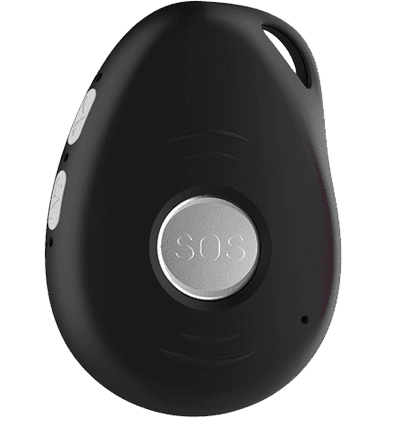
Training should be practical and brief enough to remember. Let the worker practise the alert process in a low pressure setting, check that they know what information to give, and confirm they understand who will respond. A wearable lone worker alarm with SOS, GPS, two way voice, man down and fall detection alerts can then be treated as a control within a clear system, not as the system itself.
The final test is simple. If something goes wrong, can the worker signal for help, can a nominated contact understand where they are and what may have happened, and can the response plan move quickly? When those answers are clear, the assessment is doing its job.